High Triglycerides: Why They Rise on a 'Healthy' Diet
Sticking to a healthy diet but still have high triglycerides? It's a common frustration. Excess sugar, alcohol, and your unique genetics play a bigger role than you might think.
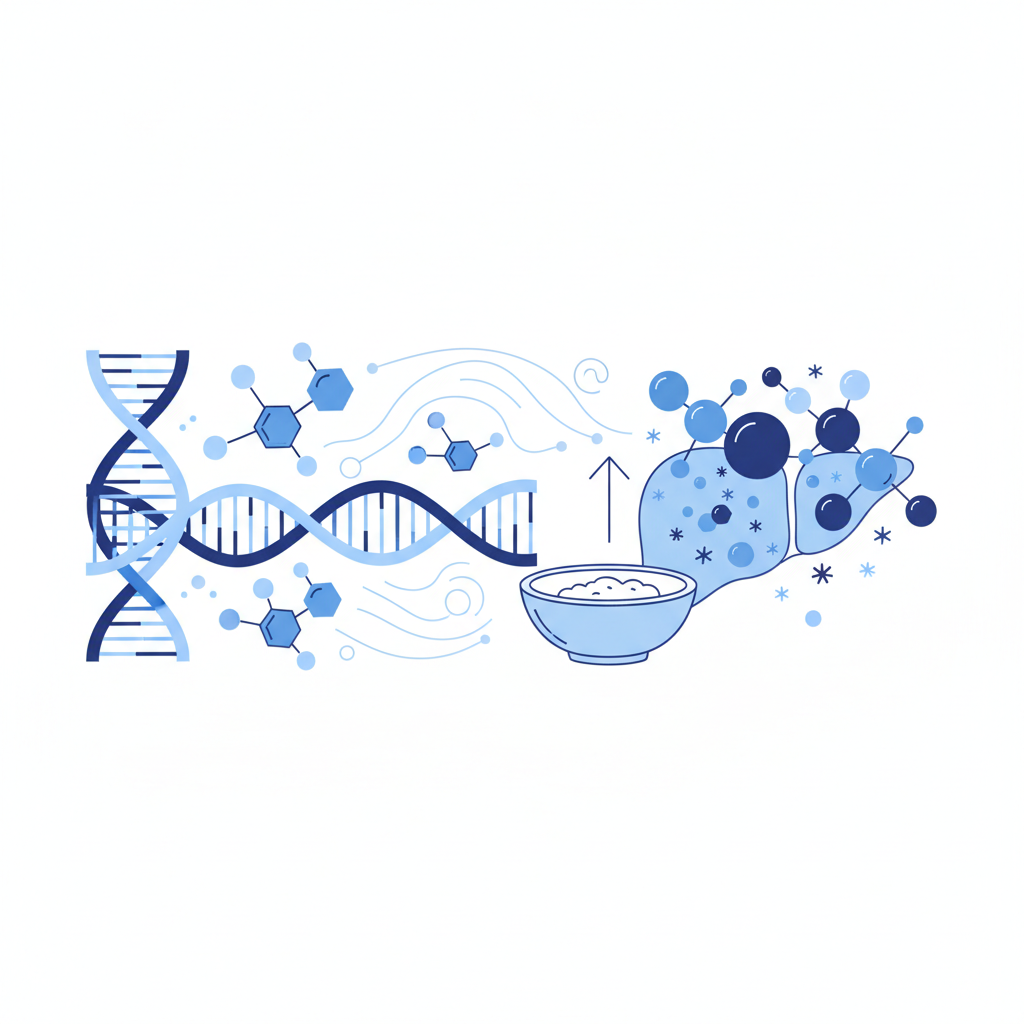
Imagine this scenario. You've diligently cut back on saturated fats, swapped butter for olive oil, and started eating more salads. You feel healthier. But then your annual lab work comes back, and the number next to 'triglycerides' is flagged as high. It’s a frustrating and common experience that leaves many people asking: what am I doing wrong? The answer often has less to do with the fat you eat and more to do with factors like hidden sugars, alcohol, and your personal genetic blueprint.
Having high triglycerides is a significant health marker. These are the main type of fat circulating in your blood, and while your body needs them for energy, excessive amounts contribute to the hardening of arteries (atherosclerosis). This increases your risk for heart attack, stroke, and pancreatitis. Understanding why your levels are elevated is the first step toward effective management, and the story is more complex than just 'fat in, fat out.'
Triglycerides Normal Range: What the Numbers Mean
Before diving into causes, it's essential to understand the thresholds. When your doctor orders a lipid panel, your triglyceride levels are measured in milligrams per deciliter (mg/dL) of blood. According to guidelines from organizations like the American Heart Association, the levels are generally categorized as follows (Grundy et al., 2019):
- Normal: Less than 150 mg/dL
- Borderline High: 150 to 199 mg/dL
- High: 200 to 499 mg/dL
- Very High: 500 mg/dL and above
While borderline-high and high levels are primarily a concern for long-term cardiovascular risk, very high levels introduce an immediate danger: acute pancreatitis. This painful and potentially life-threatening inflammation of the pancreas can occur when triglyceride levels climb above 500 mg/dL.
What are the symptoms of high triglycerides?
One of the biggest challenges with managing high triglycerides is that they usually cause no symptoms. You can feel perfectly fine while your levels are creeping into the high-risk zone. For this reason, it's often called a 'silent' risk factor. Symptoms only tend to appear at extremely high levels (often >1000 mg/dL), and they can include:
- Severe abdominal pain, a sign of pancreatitis.
- Xanthomas: fatty deposits under the skin, especially on the elbows, knees, or eyelids.
- Memory loss or confusion.
Because of its silent nature, regular blood testing is the only reliable way to monitor your triglyceride levels and catch elevations before they become a severe problem.
Beyond Fat: How Sugar and Alcohol Drive High Triglycerides
Many people are surprised to learn that a diet low in fat can still produce high triglycerides. The culprit is often found in carbohydrates and alcohol. Your liver is a metabolic powerhouse, and one of its key functions is a process called de novo lipogenesis (DNL), which literally means 'making new fat.'
When you consume more calories than your body needs for immediate energy—especially from simple sugars and alcohol—your liver converts these excess calories into triglycerides. These newly made triglycerides are then packaged into particles called very-low-density lipoproteins (VLDL) and released into your bloodstream.
Fructose, a component of table sugar and high-fructose corn syrup, is a particularly potent driver of DNL (Ter Horst et al., 2016). This is why that daily glass of orange juice or a seemingly healthy smoothie packed with fruit can, for some individuals, contribute to elevated triglycerides more than a fatty meal would. It's not that fruit is bad; it's that concentrated sources of sugar, stripped of their fiber, deliver a large fructose load directly to the liver.
Alcohol has a similar—and often more dramatic—effect. It's calorie-dense and directly stimulates the liver to produce and secrete more triglycerides. For people with an underlying genetic tendency, even moderate alcohol consumption can cause a sharp spike in triglyceride levels.
This metabolic reality challenges the simple dichotomy of 'good foods' versus 'bad foods.' A diet that seems healthy on the surface, filled with low-fat yogurt, fruit juices, and whole-wheat bread, can still be a high-sugar, high-carbohydrate diet that keeps your liver in constant fat-production mode.
When 'Healthy' Isn't Enough: Your Genetic Blueprint
This brings us to the most personal factor of all: your genetics. Two people can eat the exact same meal, and one will experience a modest rise in triglycerides while the other sees a major spike. This difference in metabolic response is heavily influenced by variations in genes that regulate lipid metabolism. Think of these genes as the software that runs your body's fat-processing hardware.
Several key genes are known to have a powerful impact on triglyceride levels (Dron & Hegele, 2020).
-
LPL (Lipoprotein Lipase): This gene codes for an enzyme that acts like a gatekeeper. LPL sits on the surface of blood vessels and breaks down triglycerides from the blood, allowing the fatty acids to be taken up by cells for energy or storage. Certain common variants in the LPL gene can make this enzyme less efficient, causing triglycerides to clear from the bloodstream more slowly after a meal.
-
APOA5 (Apolipoprotein A5): This is a powerful 'on switch' for the LPL enzyme. Even a small amount of the APOA5 protein can dramatically accelerate LPL's activity. Genetic variants that reduce the production or function of APOA5 are some of the strongest predictors of high triglycerides. If your 'on switch' is faulty, LPL doesn't work at full capacity, and triglycerides build up.
-
APOC3 (Apolipoprotein C3): If APOA5 is the on switch, APOC3 is the brake pedal. This protein inhibits LPL activity. Individuals with genetic variants that cause them to produce more APOC3 have a constant brake on their triglyceride-clearing system. Conversely, people with rare loss-of-function variants in APOC3 have exceptionally low triglyceride levels and are highly protected against cardiovascular disease, demonstrating this gene's critical role.
-
GCKR (Glucokinase Regulator): This gene offers a fascinating link between sugar and fat metabolism. It controls the activity of an enzyme in the liver that traps glucose. Certain GCKR variants shunt more dietary glucose toward de novo lipogenesis—the fat-making pathway. People with these variants can be particularly susceptible to developing high triglycerides and non-alcoholic fatty liver disease (NAFLD) in response to a high-carbohydrate diet.
When you have risk variants in several of these genes, it can create a 'perfect storm' for high triglycerides, a condition known as polygenic hypertriglyceridemia. In these cases, even a moderate intake of carbs or alcohol can overwhelm your genetically constrained metabolic machinery. In rarer cases, a single, powerful mutation in one gene can cause familial forms of hypertriglyceridemia, leading to severely elevated levels from a young age.
How to Lower Triglycerides: Evidence-Based Interventions
Knowing the underlying drivers—dietary, lifestyle, and genetic—allows for a more targeted approach to lowering triglycerides. The good news is that triglyceride levels are often very responsive to change.
-
Cut Back on Sugar and Refined Carbohydrates: This is the single most impactful dietary change for most people. Minimize sugary drinks, fruit juices, candy, and desserts. Reduce your intake of refined grains like white bread, white rice, and pasta. Instead, choose whole, high-fiber carbohydrate sources like vegetables, legumes, and intact whole grains in moderation.
-
Limit or Eliminate Alcohol: Given its potent effect on liver triglyceride synthesis, reducing alcohol intake can lead to a rapid and significant drop in levels. For those with a strong genetic predisposition, complete abstinence may be necessary.
-
Incorporate Omega-3 Fatty Acids: Eicosapentaenoic acid (EPA) and docosahexaenoic acid (DHA) are omega-3s found in fatty fish like salmon, mackerel, and sardines. They are proven to lower triglycerides by reducing the liver's production of VLDL. While eating fish 2-3 times per week is beneficial, achieving a therapeutic dose often requires prescription-strength or high-quality supplements, a strategy supported by the American Heart Association for triglyceride management (Skulas-Ray et al., 2019).
-
Prioritize Physical Activity: Regular aerobic exercise—like brisk walking, cycling, or swimming—burns triglycerides for fuel and improves your metabolic health. Aim for at least 150 minutes of moderate-intensity activity per week.
-
Achieve a Healthy Weight: If you are overweight, losing even 5-10% of your body weight can significantly lower your triglyceride levels. This is because a caloric deficit reduces the overall substrate available for the liver to make new fat.
For individuals with very high levels or those who don't respond adequately to lifestyle changes, medications such as fibrates, statins, and prescription omega-3s can be highly effective.
Ultimately, managing high triglycerides is not a one-size-fits-all problem. It's a dynamic interplay between what you eat, how you live, and the genetic hand you were dealt. Understanding your personal genetic predispositions can provide a crucial piece of the puzzle, transforming a frustrating health metric into an actionable, personalized plan.
Understanding your genetic predispositions for lipid metabolism can provide a personalized roadmap for managing your cardiovascular health. A comprehensive genetic analysis can clarify how your body processes fats and carbohydrates, empowering you and your doctor to create a truly tailored strategy. Learn more about the BioGenetic Health panel.
Equipo BioGenetic
References
- Grundy, S. M., Stone, N. J., Bailey, A. L., et al. (2019). 2018 AHA/ACC/AACVPR/AAPA/ABC/ACPM/ADA/AGS/APhA/ASPC/NLA/PCNA Guideline on the Management of Blood Cholesterol. Circulation, 139(25), e1082–e1143. https://www.ahajournals.org/doi/10.1161/CIR.0000000000000625
- Ter Horst, K. W., & Serlie, M. J. (2016). The role of fructose in the pathogenesis of NAFLD and the metabolic syndrome. Nature Reviews Gastroenterology & Hepatology, 13(3), 145–156. https://doi.org/10.1038/nrgastro.2016.42
- Dron, J. S., & Hegele, R. A. (2020). Genetics of Hypertriglyceridemia. Frontiers in Endocrinology, 11, 455. https://doi.org/10.3389/fendo.2020.00455
- Skulas-Ray, A. C., Wilson, P. W. F., Harris, W. S., et al. (2019). Omega-3 Fatty Acids for the Management of Hypertriglyceridemia: A Science Advisory From the American Heart Association. Circulation, 140(12), e673–e691. https://doi.org/10.1161/CIR.0000000000000709
Want to learn more on this topic?
Access courses, downloadable guides, and workshops for healthcare professionals and curious patients.
Explore Academy →Get genetic science in your inbox
One email per month with articles on prevention, nutrigenomics, and science-backed clinical decisions.