Beyond Blood Sugar: A Deep Dive into Insulin Resistance
Feeling tired and gaining weight despite normal blood sugar? This common scenario points to insulin resistance. Learn the signs, the right tests, and how your genes influence your risk.
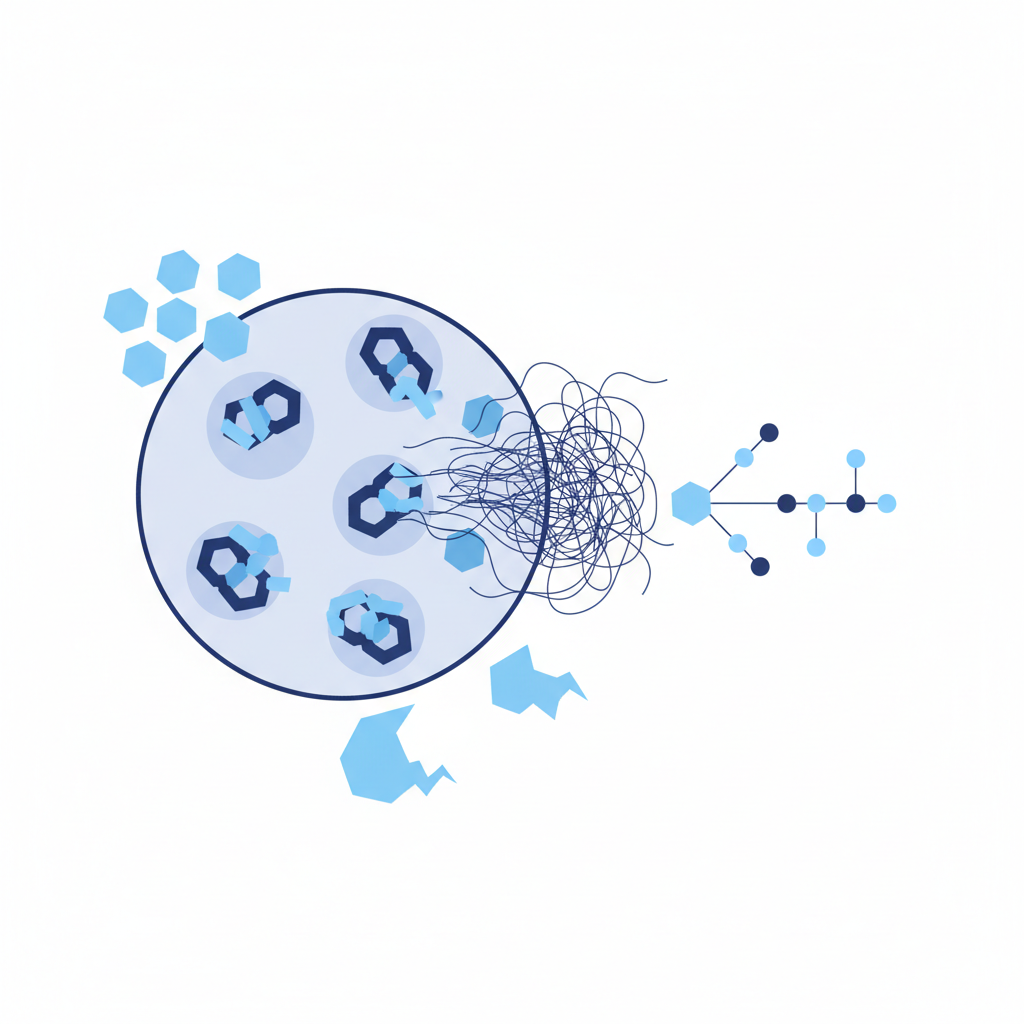
Imagine your doctor tells you your fasting blood sugar is perfectly normal, yet you struggle with persistent fatigue, cravings you can't control, and stubborn weight gain, especially around your midsection. This confusing picture is a classic sign of early insulin resistance, a metabolic state that affects millions but often goes undiagnosed until it’s much more advanced. It’s the silent precursor to prediabetes and type 2 diabetes, but it's not a final diagnosis. It's a critical warning sign—and an opportunity to take control.
Insulin is a hormone your pancreas produces to act as a key, unlocking your body's cells to let glucose (sugar) in for energy. With insulin resistance, your cells start becoming 'deaf' to insulin's signal. The key no longer fits the lock as easily. In response, your pancreas works overtime, pumping out more and more insulin to force the glucose into the cells. For a while, this works. Your blood sugar levels might remain normal, but beneath the surface, your insulin levels are climbing, setting the stage for metabolic dysfunction.
What Are the Early Insulin Resistance Symptoms?
Because blood sugar often stays in the normal range for years, the initial symptoms of insulin resistance are subtle and easily attributed to stress or aging. Many people experience them without realizing they are connected to a fundamental metabolic issue. Recognizing these early signs is the first step toward seeking the right tests and making effective changes.
Commonly overlooked symptoms include:
- Persistent fatigue: A profound sense of tiredness, especially after a carbohydrate-heavy meal, is a hallmark sign. Your cells aren't getting the fuel they need efficiently, even though there's plenty of glucose in your blood.
- Intense cravings for sugar and carbohydrates: Your brain, also sensing a lack of energy at the cellular level, can trigger powerful cravings for quick-energy sources like sweets and starches.
- Weight gain, particularly abdominal fat: High insulin levels promote fat storage, specifically visceral fat, which is the metabolically active fat that accumulates around your organs.
- Skin changes: You might notice dark, velvety patches of skin in body folds like the neck, armpits, or groin. This condition, called acanthosis nigricans, is a direct result of excess insulin in the bloodstream stimulating skin cells. The appearance of multiple skin tags can also be a clue.
- Brain fog and difficulty concentrating: Inconsistent energy supply to the brain can impair cognitive function.
In women, insulin resistance is also a core feature of Polycystic Ovary Syndrome (PCOS), contributing to irregular periods and other hormonal imbalances.
Beyond Glucose: How Insulin Resistance Is Actually Measured
Many people become frustrated when they describe these symptoms to their doctor only to be told their routine blood work—specifically a fasting glucose or HbA1c test—is normal. This is because these tests measure sugar in the blood, not the hormone that controls it. By the time blood sugar rises into the prediabetes range, the underlying insulin resistance has often been present for a decade or more.
To get a true picture of your metabolic health, you need to look at insulin itself. The key tests to request are:
- Fasting Insulin: This measures how much insulin is circulating in your blood after an overnight fast. A high level (e.g., above 10 µIU/mL, though optimal is often considered below 5-7) alongside a normal fasting glucose is the classic fingerprint of insulin resistance.
- HOMA-IR (Homeostatic Model Assessment of Insulin Resistance): This isn't a separate test but a calculation using your fasting glucose and fasting insulin values. It provides a numerical score of your degree of insulin resistance.
What are normal HOMA-IR values?
While lab reference ranges can vary, clinicians widely use the following cutoffs to interpret HOMA-IR results:
- Optimal insulin sensitivity: Below 1.0
- Early insulin resistance: 1.9 or higher
- Significant insulin resistance: 2.9 or higher
Values between 1.0 and 1.9 suggest a trend toward resistance that warrants monitoring. A high HOMA-IR is a much earlier indicator of metabolic trouble than an elevated HbA1c, which is used to diagnose prediabetes (HbA1c of 5.7% to 6.4%) and Type 2 Diabetes (6.5% or higher).
Your Genes and Your Risk: The Genetic Blueprint of Insulin Resistance
While lifestyle factors like diet and inactivity are major drivers, your genetic makeup builds the foundation upon which those factors operate. Some people are simply more genetically predisposed to developing insulin resistance. Understanding these predispositions doesn't determine your fate; it illuminates your personal risk landscape, helping you make more targeted choices. Several key genes are involved:
-
TCF7L2: Often called the most significant gene for type 2 diabetes risk discovered to date, TCF7L2 plays a crucial role in the pancreas's ability to secrete insulin in response to glucose. Certain common variants in this gene can impair this process, meaning your pancreas may struggle to produce the right amount of insulin at the right time. Research has robustly confirmed this link across diverse populations (Grant et al., 2006).
-
PPARG: This gene acts as a master regulator of fat cells. It helps create healthy, small, insulin-sensitive fat cells. The well-studied Pro12Ala variant is a fascinating example of a protective genetic factor. The 'Ala' version of the gene is associated with improved insulin sensitivity and a lower risk of type 2 diabetes, highlighting that genetics can also offer advantages.
-
IRS1 and ADIPOQ: Think of these genes as critical messengers in the insulin signaling pathway. IRS1 (Insulin Receptor Substrate 1) codes for a protein that relays the insulin signal inside the cell. Variants can weaken this signal. ADIPOQ produces adiponectin, a beneficial hormone secreted by fat cells that enhances insulin sensitivity throughout the body. Genetic variants that lead to lower adiponectin levels are linked to increased insulin resistance.
-
FTO: While famously known as the 'fat mass and obesity-associated' gene, FTO's influence on insulin resistance is primarily driven by its effect on appetite, food cravings, and energy expenditure. Variants in FTO are strongly associated with a higher body mass index (BMI). The resulting increase in body fat—especially visceral fat—is a major contributor to developing insulin resistance.
How to Reverse Insulin Resistance: Evidence-Based Strategies
Discovering you have insulin resistance is a call to action, not a life sentence. The condition is highly responsive to lifestyle changes. The science is clear on what works.
The landmark Diabetes Prevention Program (DPP) trial provided definitive proof. It showed that people with prediabetes who adopted an intensive lifestyle program—focused on modest weight loss (7% of body weight), a low-fat diet, and 150 minutes of weekly exercise—reduced their risk of progressing to type 2 diabetes by 58%. This was significantly more effective than the 31% reduction seen in the group taking the medication metformin (Diabetes Prevention Program Research Group, 2002).
Here are the pillars of an effective strategy:
1. Nutrition: The goal is to manage both blood sugar and insulin levels. This doesn't require a single, restrictive diet but adherence to key principles: * Reduce Ultra-Processed Foods: Heavily processed foods, sugary drinks, and refined grains (white bread, pastries) cause rapid spikes in blood sugar and insulin. * Prioritize Fiber: Soluble fiber from sources like oats, beans, apples, and psyllium slows down digestion and the absorption of sugar, leading to a more gradual insulin response. * Balance Macronutrients: Ensure every meal contains a source of protein, healthy fat, and fiber. This combination promotes satiety and blunts the glycemic impact of any carbohydrates present.
2. Exercise: Physical activity is one of the most powerful tools for reversing insulin resistance. It works in two primary ways: * Increases Insulin Sensitivity: During and after exercise, your muscles can take up glucose from the blood without needing much, if any, insulin. This effect can last for hours. * Builds Muscle: Resistance training builds muscle mass. Since muscle is the primary site for glucose disposal, having more of it creates a larger 'sink' to store glucose, keeping it out of the bloodstream.
A combination of aerobic exercise (like brisk walking or cycling) and resistance training (lifting weights, bodyweight exercises) appears to be most effective (Way et al., 2016).
3. Sleep and Stress: Chronic sleep deprivation and high stress levels increase cortisol, a hormone that directly counteracts insulin and raises blood sugar. Prioritizing 7-9 hours of quality sleep and incorporating stress-management techniques like meditation or yoga can have a measurable impact on your insulin sensitivity.
Insulin resistance is a crossroads. Left unaddressed, it can lead to serious chronic diseases. But when identified early, it serves as a powerful motivator for change. By understanding the symptoms, requesting the right tests, and appreciating how your unique genetic profile interacts with your lifestyle, you can take decisive steps to restore your metabolic health.
Understanding your unique genetic predispositions can empower you and your healthcare provider to create a truly personalized plan. The BioGenetic Health panel analyzes key genes related to metabolic health, including those influencing insulin resistance, to provide insights that go beyond standard lab tests. Explore how genetic information can guide your health journey.
Explore the BioGenetic Health Panel
Equipo BioGenetic
References
- Grant, S. F. A., et al. Nature Genetics. 2006. https://doi.org/10.1038/ng1752
- Diabetes Prevention Program Research Group. The New England Journal of Medicine. 2002. https://pubmed.ncbi.nlm.nih.gov/11832527/
- Gayoso-Diz, P., et al. BMC Endocrine Disorders. 2013. https://pubmed.ncbi.nlm.nih.gov/24192082/
- Way, K. L., et al. Diabetologia. 2016. https://pubmed.ncbi.nlm.nih.gov/26961356/
Want to learn more on this topic?
Access courses, downloadable guides, and workshops for healthcare professionals and curious patients.
Explore Academy →Get genetic science in your inbox
One email per month with articles on prevention, nutrigenomics, and science-backed clinical decisions.