Nutrigenomics: what to eat based on your DNA
Discover how nutrigenomics uses your DNA to create a personalized diet. Move beyond general nutrition to understand how your genes process fats, carbs, and vitamins for optimal health.
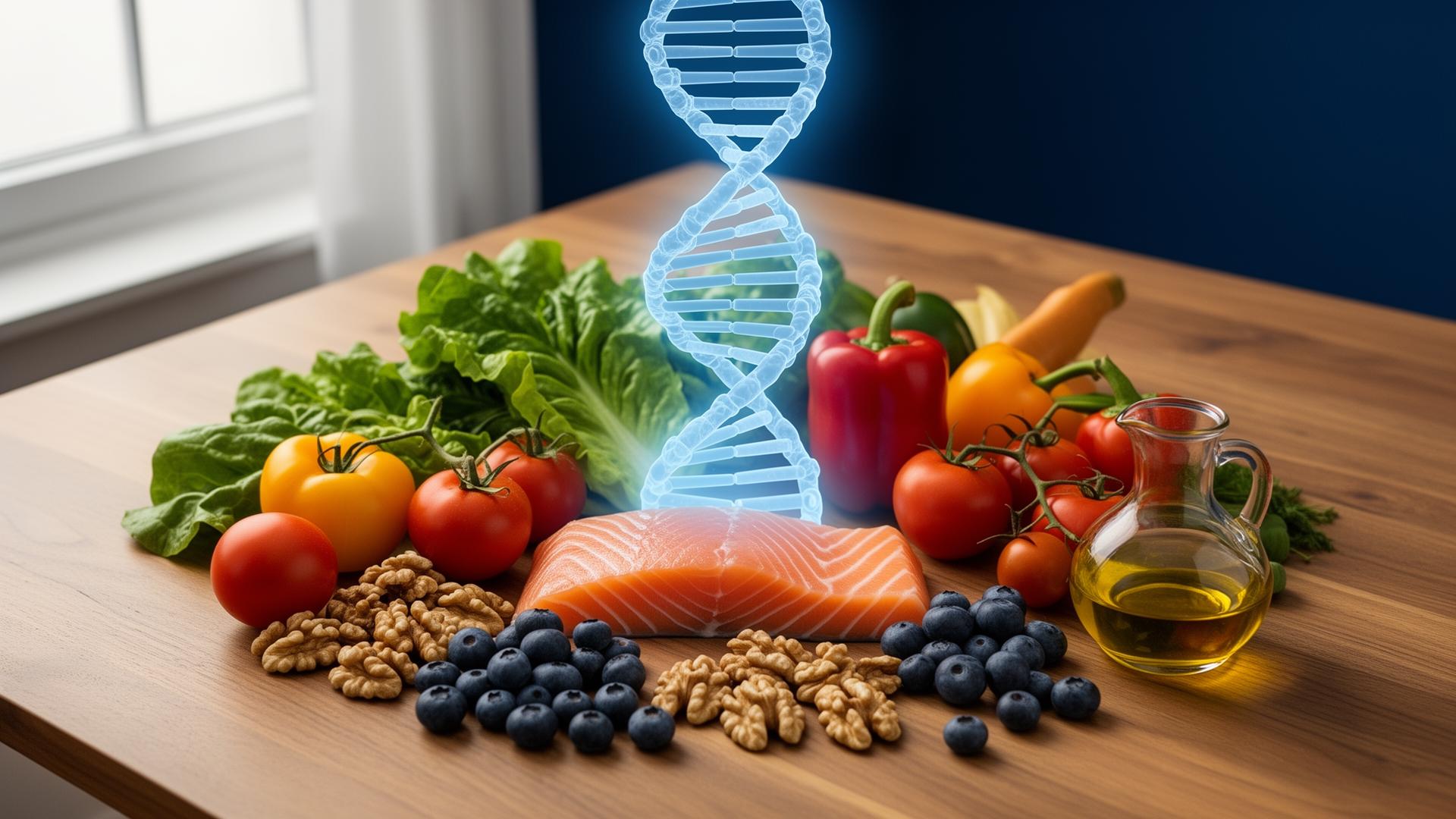
A 2023 study published in Nature Genetics by Gomez-Alonso et al. revealed that individual responses to identical caloric intakes can vary by as much as 40% based strictly on genomic variations in metabolic pathways. This data confirms what we observe daily in clinical practice: the universal food pyramid is a statistical average that correlates poorly with individual biological reality. While traditional dietetics focuses on the chemical composition of the food itself, the emerging fields of nutrigenetics and nutrigenomics shift the focus to the host. We are no longer asking what is in the food, but rather how a specific genetic sequence interprets that food as a signal to either promote health or trigger systemic inflammation.
The distinction between nutrigenetics and nutrigenomics is vital for clinical precision. Nutrigenetics examines how our genetic variants (Single Nucleotide Polymorphisms or SNPs) dictate our response to specific nutrients—for example, how a variation in the CYP1A2 gene determines whether caffeine protects the heart or increases the risk of myocardial infarction. Conversely, nutrigenomics explores how the bioactive molecules in our diet actually reach into the nucleus of our cells to turn genes on or off. We are looking at a bidirectional conversation where food acts as a software update for our biological hardware.
The SNP Architecture of Metabolic Efficiency
In our clinical assessments, we prioritize the analysis of SNPs that govern macronutrient metabolism. One of the most significant markers we evaluate is the FTO (Fat Mass and Obesity-associated) gene. Research published in the Journal of Clinical Investigation by Claussnitzer et al. (2015) demonstrated that a specific risk variant in the FTO locus shifts the cellular program from browning (energy burning) to thermogenesis suppression (energy storage). For patients carrying this variant, a high-saturated fat diet doesn't just provide calories; it acts as a mechanical switch that hardwires the body to store lipids in adipocytes.
However, the presence of a "risk" allele is not a destiny. What we measure in nutrigenomics is the threshold at which lifestyle can override genetic predisposition. For instance, individuals with certain variants in the PPARG gene may thrive on a higher-fat Mediterranean-style diet, whereas those with the APOA5 variant often experience sharp increases in trigylcerides when dietary fat exceeds 30% of total caloric intake. By identifying these specific markers, we move away from restrictive dieting and toward metabolic alignment. We provide the body with the specific molecular environment it requires to maintain homeostatic balance.
Microsite Regulation and Micronutrient Bioavailability
Genetic variability also dictates how we process essential vitamins and minerals. A frequent observation in our practice involves the MTHFR (Methylenetetrahydrofolate Reductase) gene, which is critical for the methylation cycle. This process is responsible for DNA repair, neurotransmitter production, and detoxification. Individuals with the C677T variant have a reduced capacity to convert synthetic folic acid into its active form, 5-MTHF. In these cases, the "healthy" choice of consuming folic-acid-fortified grains can actually lead to an accumulation of unmetabolized folic acid, which may mask vitamin B12 deficiencies and disrupt immune function.
Similarly, we look closely at the BCMO1 gene, which converts beta-carotene from plants into the active form of Vitamin A (retinol). Clinical data suggests that up to 45% of the population carries polymorphisms that reduce this conversion efficiency by over 50%. For these individuals, relying solely on plant-based sources for Vitamin A can lead to subclinical deficiencies affecting vision, skin integrity, and thyroid function. Nutrigenomic testing allows us to identify these silent gaps where a standard "balanced" diet fails to meet the specific enzymatic requirements of the individual.
Inflammation and the Genomic Shadow
Chronic low-grade inflammation is often the result of a mismatch between an individual's inflammatory cytokine genes and their dietary triggers. We frequently monitor the TNF-alpha and IL-6 genotypes. These genes regulate the body's inflammatory response. In individuals with pro-inflammatory variants, certain foods—even those generally considered healthy, like certain nightshades or high-lectin legumes—can trigger a disproportionate immune response.
This genomic shadow explains why two people can follow the same "clean" diet, yet one loses weight and gains energy while the other remains bloated and fatigued. A 2021 review in Nutrients by Guest et al. highlighted that personalized nutrition based on these inflammatory markers significantly improves long-term adherence and clinical outcomes compared to standardized dietary advice. By understanding the genetic blueprint of the immune system, we can curate a dietary protocol that minimizes systemic stress and optimizes cellular recovery.
Carbohydrate Sensitivity and Insulin Signaling
The global rise in metabolic syndrome has highlighted the importance of the TCF7L2 gene, which is one of the most potent genetic predictors of Type 2 Diabetes. In clinic, we find that the "low-carb" versus "low-fat" debate is resolved by looking at this specific locus. Individuals with the risk allele in TCF7L2 are significantly more sensitive to the insulin-spiking effects of refined carbohydrates. For these patients, even moderate sugar intake can cause a prolonged state of hyperinsulinemia, leading to rapid weight gain and arterial inflammation.
Furthermore, we analyze the AMY1 gene, which determines the number of copies an individual has for salivary amylase. This enzyme begins the breakdown of starches in the mouth. Those with low copy numbers typically have higher blood glucose responses to starchy foods like potatoes or rice. When we identify these genetic limitations, we don't necessarily eliminate carbohydrates; we strategically timing their intake and pair them with specific fibers to blunt the glycemic load. This is the essence of nutrigenomics: modifying the environment to suit the DNA.
Implementing Precision Nutrition
The transition from general nutrition to genomic precision requires sophisticated testing and expert interpretation. We don't just look for isolated mutations; we look at the polygenic risk score—the cumulative effect of multiple genes working in concert. This holistic view allows us to construct a dietary framework that supports cardiovascular health, cognitive function, and longevity simultaneously.
The evidence is clear that the era of "one size fits all" nutrition has ended. As we continue to map the complex interactions between the human genome and the food we consume, the ability to tailor diets to the individual becomes the most powerful tool in preventive medicine. We are moving toward a future where a simple cheek swab can provide a lifetime roadmap for optimal health, reducing the guesswork of trial-and-error dieting.
To discover how your unique genetic profile influences your nutritional needs, we invite you to explore our advanced genomic testing services. Our team provides comprehensive analysis and personalized implementation strategies to align your diet with your DNA.
For a personalized orientation and to begin your journey toward precision health, contact us via WhatsApp to speak with a specialist.
BioGenetic Team
Want to learn more on this topic?
Access courses, downloadable guides, and workshops for healthcare professionals and curious patients.
Explore Academy →Get genetic science in your inbox
One email per month with articles on prevention, nutrigenomics, and science-backed clinical decisions.